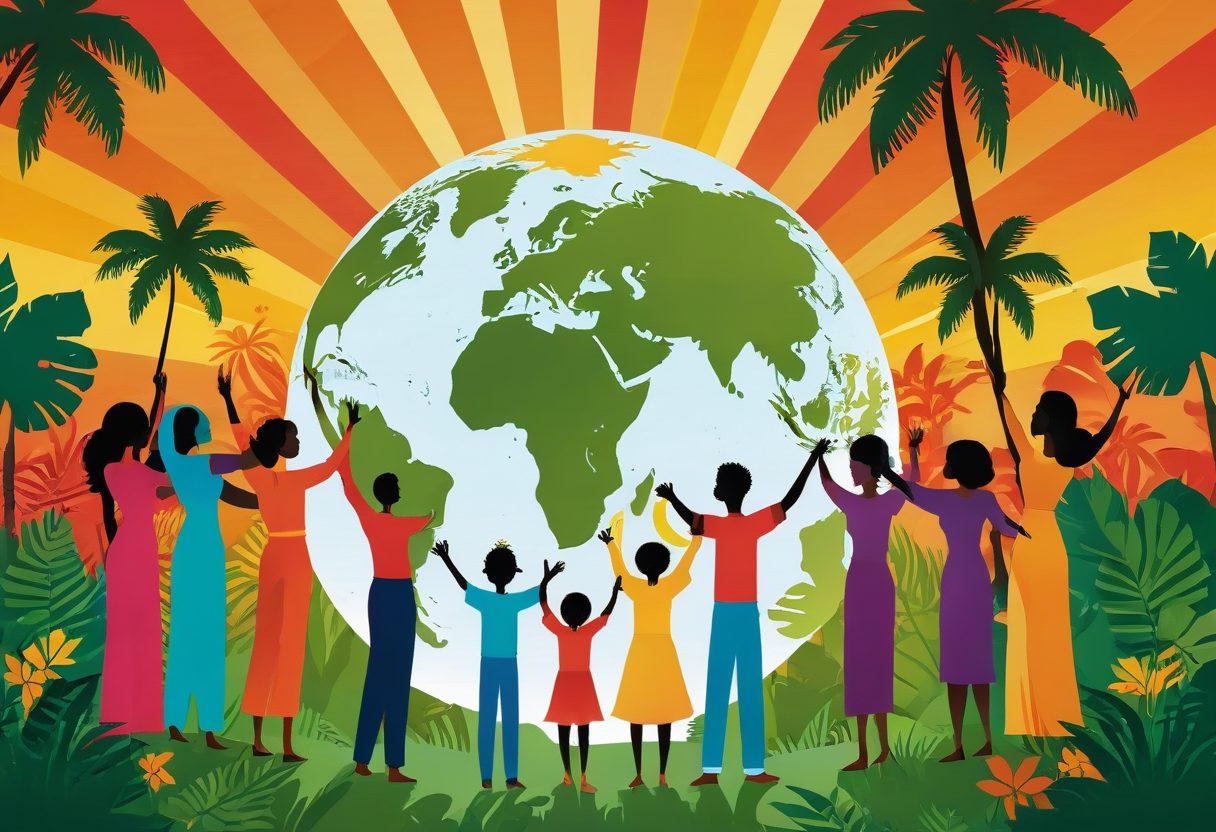
Achieving Equilibrium: Exploring Equality and Equity in the Equatorial Region
In the lush, vibrant landscapes of the equatorial region, a fascinating tension between equality and equity unfolds. Imagine standing at a crossroad where two paths diverge: one leads to equality, with its promise of equal opportunity for all, while the other navigates the nuanced terrain of equity, which aims to address individual needs and circumstances. This equatorial platform isn't merely geographical; it embodies a philosophical journey toward a deeper understanding of our shared human experience. How do we strive for harmony in this dynamic landscape?
As we explore this essential concept, it's crucial to define our terms. Equality often refers to treating everyone the same, a noble pursuit that suggests that everyone should have equal rights to resources and opportunities. Equity, however, recognizes that a one-size-fits-all approach may fail to accommodate the varied starting points of individuals. Picture an equidistant line that separates these two concepts, where equity doesn’t merely seek balance but rather tailored support. In a society that understands the importance of both, we can aspire to reach true equilibrium.
Consider the stories emerging from communities within the equatorial region. In places where wealth and resource distribution are uneven, programs that embrace both equality and equity have made remarkable impacts. A village in the equatorial coordinates of Africa recently launched an initiative that provides educational resources tailored to students' specific needs, empowering them to achieve equivalent outcomes regardless of their backgrounds. “Equity isn't a comfort zone; it's the beginning of real growth,” a local leader enthusiastically shared. Have we witnessed enough of these transformative stories to inspire broader change?
A curious thought arises: can we create a culture where discussions surrounding equity and equality become as natural as conversing about the weather? People often feel disconnected from these ideas, but they are more relevant than ever. Just as the aqua-blue skies and vibrant green jungles of the equatorial region evoke a sense of equilibrium and interconnectedness in nature, so too can our understanding of social dynamics create a more welcoming world. What would it take for you to feel empowered to advocate for equal rights and increased equity in your community?
Creating an environment that champions both equality and equity involves actionable steps. It begins with fostering conversations, encouraging individuals to share their unique experiences amidst this vibrant equatorial landscape. Engaging with local leaders, supporting inclusive policies, and participating in grassroots initiatives can lead to meaningful change. Remember, every small action counts in navigating this complex terrain. Are you ready to become an advocate for a balanced society where everyone can thrive?
From Equidistant to Equitable: Understanding the Dynamics of Equality in the Equatorial Zone
In the heart of our vibrant world lies the equatorial region – a tapestry of cultures and ecosystems thriving in a zone that promises both equal opportunity and unique challenges. But this equilibrium isn’t just geographical; it’s social and economic too, raising crucial questions about how humanity can stride hand in hand across this equatorial platform. As we journey through this intricate landscape, how do we ensure that the benefits of our equatorial endeavors reach everyone equally? Let’s unravel this knot of equality and equity, where the quest for balance becomes a captivating story of resilience and growth.
Imagine standing at the equator, where the sun bathes the land in a luxurious light, bringing with it an air of tranquility and stability. Here, the balance of nature offers a beautiful metaphor for what we strive to achieve socially. The challenges faced by communities in the equatorial region - whether they stem from access to education, healthcare, or economic opportunities - evoke the age-old equation of equality versus equity. Are we merely seeking equal rights for all, or are we striving for an equitable distribution of resources and opportunities?
Equidistant from the extremes, the equatorial zone represents a unique position in the global landscape. Picture a diverse community of people, rich traditions blooming like exotic flora, yet some individuals feel the burden of inequity. As we examine their stories, we encounter inspiring tales that illustrate the importance of equanimity. The quest for equality doesn’t mean the same thing for everyone; equity acknowledges and bridges those gaps, ensuring that each individual has access to their equivalent share of opportunities, much like the essential aqua of life flowing to where it is needed the most.
As we delve deeper into the dynamics of equality in this region, we must ask ourselves: what does it truly mean to achieve equilibrium? It’s not just about distribution; it’s about valuing individual experiences and perspectives. By understanding equatorial coordinates – not only in a geographical sense but also in the social sphere – we can start to decode the complexities surrounding equal rights. The path to equity is ever-evolving, and recognizing the diverse needs within the equatorial realm can unlock a wealth of potential waiting to flourish.
In conclusion, as we chart our course through the equatorial region, let’s remember that the essence of our journey is not merely about balance but about creating systems that elevate every voice. While the sun may shine equally bright overhead, what of the shadows we cast? To truly embrace the spirit of equity, we must forge connections and foster an environment where everyone can thrive harmoniously. The adventure toward achieving that balance is not just necessary; it’s a call to action for us all, a venture we must embark on together. What steps will you take to ensure that the narratives of equality and equity are written with inclusivity in mind?
The Equatorial Equation: Crafting Equal Opportunities and Rights for All
Nestled along the equatorial coordinates lies a diverse region that has fascinated scholars, travelers, and environmentalists alike—the equatorial region. It's a place where nature thrives, however, the vital discussions around equality and equity are often overshadowed by its breathtaking beauty. As we embark on the journey of crafting equal opportunities and rights for all, let’s unravel what the 'Equatorial Equation' entails, where we align the principles of equity and equality producing a state of equilibrium.
The essence of the equatorial region as a cultural tapestry is often likened to a grand mosaic, where every piece is vital to the overall picture. Emerging from this vibrant community is a pressing question: How do we create a platform that ensures every individual has equal opportunity and equal rights? The answer lies in understanding equity: recognizing the unique circumstances of individuals and providing the necessary resources to elevate their situation. Is it not like the equidistant lines of latitude running parallel to each other, ensuring balance and fairness?
To illustrate this further, let’s take inspiration from an old proverb: 'Where there is no equity, there is no peace.' Our collective ambition should be to foster environments where individuals from diverse backgrounds—much like the breadth of flora and fauna in the equatorial region—can flourish. With equitable access to resources, education, and employment, we craft conditions that allow everyone to thrive, akin to how every creature in the rainforest plays a role in maintaining the delicate equilibrium of their ecosystem. What steps can we take today to lay the foundations for such a future?
We often hear stories of struggle in the quest for equality, but there are also numerous narratives of triumph. Imagine a solitary equine galloping freely across plains where, with each stride, it symbolizes the push for equal rights. The journey may be fraught with obstacles, yet the vision remains crystal clear: a society where individuals are embraced for who they are. Utilizing the equatorial platform of education and advocacy, we can turn tales of adversity into success stories. How can we, as a community, empower one another towards this common goal?
In summary, as we reflect upon the 'Equatorial Equation,' we find that achieving equilibrium requires recognizing both the need for equality and the importance of equity. By aligning our efforts, leveraging our diverse strengths, and maintaining our commitment to equal opportunities and rights, we can craft a world that thrives on the principles of equanimity. Let this serve as a call to action for all of us—it's time to harness the power of the equatorial region and transform its inherent beauty and diversity into a model for equitable living.